
When it comes to gambling, players are often faced with a plethora of options, each offering unique experiences, strategies, and potential rewards. Among the most popular forms of gambling are table games and slot machines. While both are staples log in to Arcanebet casinos around the world, they cater to different types of players and offer distinct gameplay experiences. This report will explore the key differences between table games and slots, examining their mechanics, strategies, player interaction, payouts, and overall appeal.
Understanding Table Games
Table games are traditional casino games played on a table with a dealer (or croupier) and often involve a combination of skill and luck. Common examples of table games include blackjack, poker, roulette, baccarat, and craps. Each of these games has its own set of rules, strategies, and variations, making them appealing to a wide range of players.
Mechanics of Table Games
In table games, players typically engage with a dealer and other players at the table. The games often require players to make decisions that can influence the outcome. For example, in blackjack, players must decide whether to hit, stand, double down, or split based on the cards they are dealt. In poker, players must evaluate their hands and decide whether to bet, call, raise, or fold.
The interaction with other players and the dealer adds a social element to table games, making them more engaging for those who enjoy a communal gambling experience. Moreover, table games usually have a lower house edge compared to slots, meaning that players can have a better chance of winning over the long term, especially if they employ effective strategies.
Understanding Slot Machines
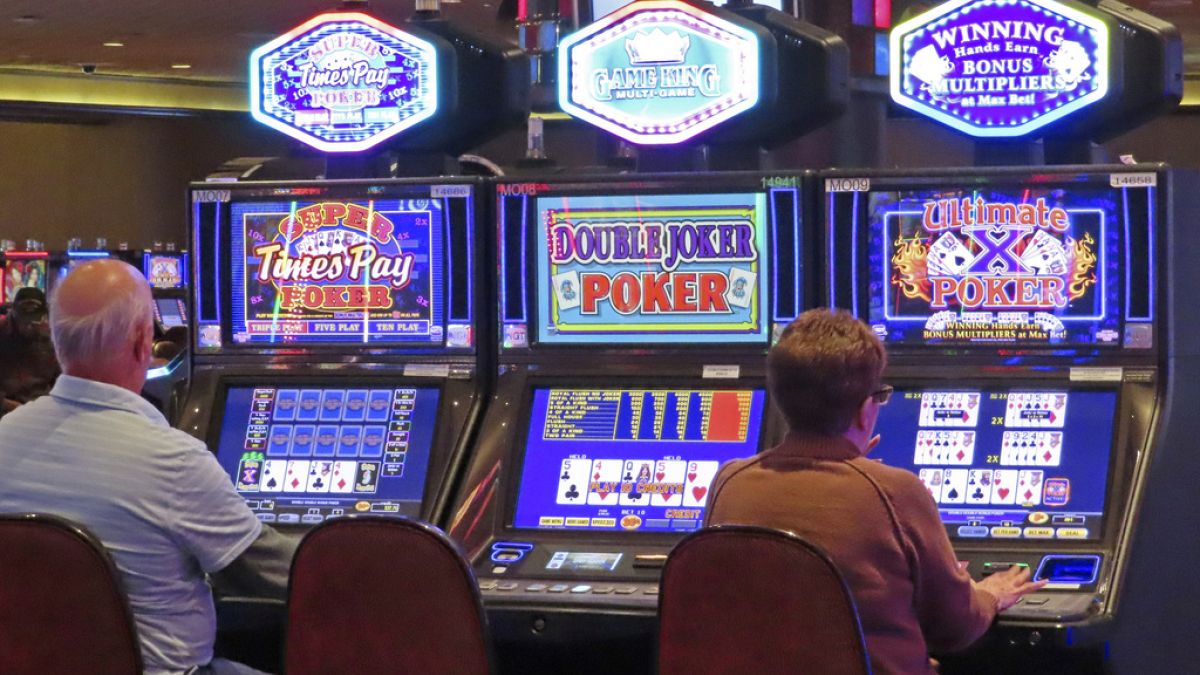
Slot machines, on the other hand, are electronic or mechanical devices that offer a more straightforward gambling experience. Players insert coins or bills (or use a player card) and spin the reels in hopes of landing winning combinations. Slots come in various themes, designs, and gameplay mechanics, including classic three-reel slots, video slots with elaborate graphics, and progressive jackpots that grow with each bet placed.
Mechanics of Slots
The mechanics of slot machines are primarily based on chance. Unlike table games, where players can influence the outcome through strategy, slots rely on random number generators (RNGs) to determine the results of each spin. This means that every spin is independent of the previous one, and there is no skill involved in playing.
While slots lack the social interaction found in table games, they offer players the convenience of playing at their own pace and the thrill of potentially winning large jackpots. Many modern slot machines also feature bonus rounds, free spins, and interactive elements that enhance the gaming experience.
Key Differences Between Table Games and Slots
- Skill vs. Luck: One of the most significant differences between table games and slots is the level of skill required. Table games often involve strategic decision-making, while slots are purely based on luck. This distinction can influence a player’s choice depending on their comfort level with risk and strategy.
- Player Interaction: Table games foster a sense of community, as players can interact with each other and the dealer. This social aspect can enhance the overall experience, making it more enjoyable for those who thrive in a communal setting. In contrast, slots are typically solitary experiences, with players focused on their screens rather than engaging with others.
- Game Pace: The pace of play varies significantly between table games and slots. Table games can be slower, as players take their time to make decisions and interact with others. Slots, however, tend to be faster, with players able to spin the reels rapidly, leading to a quicker gaming experience.
- House Edge: Generally, table games have a lower house edge compared to slots. This means that players can expect to lose less money over time when playing table games, especially if they employ optimal strategies. Slots, while offering the potential for large payouts, typically have a higher house edge, making them less favorable for long-term play.
- Payout Structures: The payout structures in table games and slots differ significantly. Table games often have fixed payouts based on the odds of winning, while slots can offer a wide range of payout possibilities, including progressive jackpots that can reach life-changing amounts. This variance in potential winnings can attract different types of players.
- Variety of Games: Table games come with a variety of options, each with its own set of rules and strategies. Players can choose from games like blackjack, poker, and roulette, each offering different experiences. Slots, while also diverse in themes and features, do not have the same level of strategic depth, focusing more on entertainment and visual appeal.
Conclusion
In summary, both table games and slots offer unique gambling experiences that cater to different types of players. Table games appeal to those who enjoy strategy, social interaction, and a lower house edge, while slots attract players looking for convenience, excitement, and the chance to win large jackpots. Understanding the differences between these two forms of gambling can help players make informed decisions about where to invest their time and money in a casino setting. Ultimately, whether one prefers the strategic challenge of table games or the fast-paced thrill of slots, both options provide entertainment and the potential for reward in the vibrant world of gambling.
